For thousands of years, Pacific peoples understood something the modern world is rediscovering: Connectivity creates power.
Long before satellites, cloud computing and fibre optics, our ancestors crossed dangerous oceans in search of trade, survival, alliances and knowledge.
In Papua New Guinea, the Lagatoi was not merely a vessel of transportation. It was infrastructure.
Today, a different kind of vessel is shaping the Pacific.
It lies silently beneath the sea.
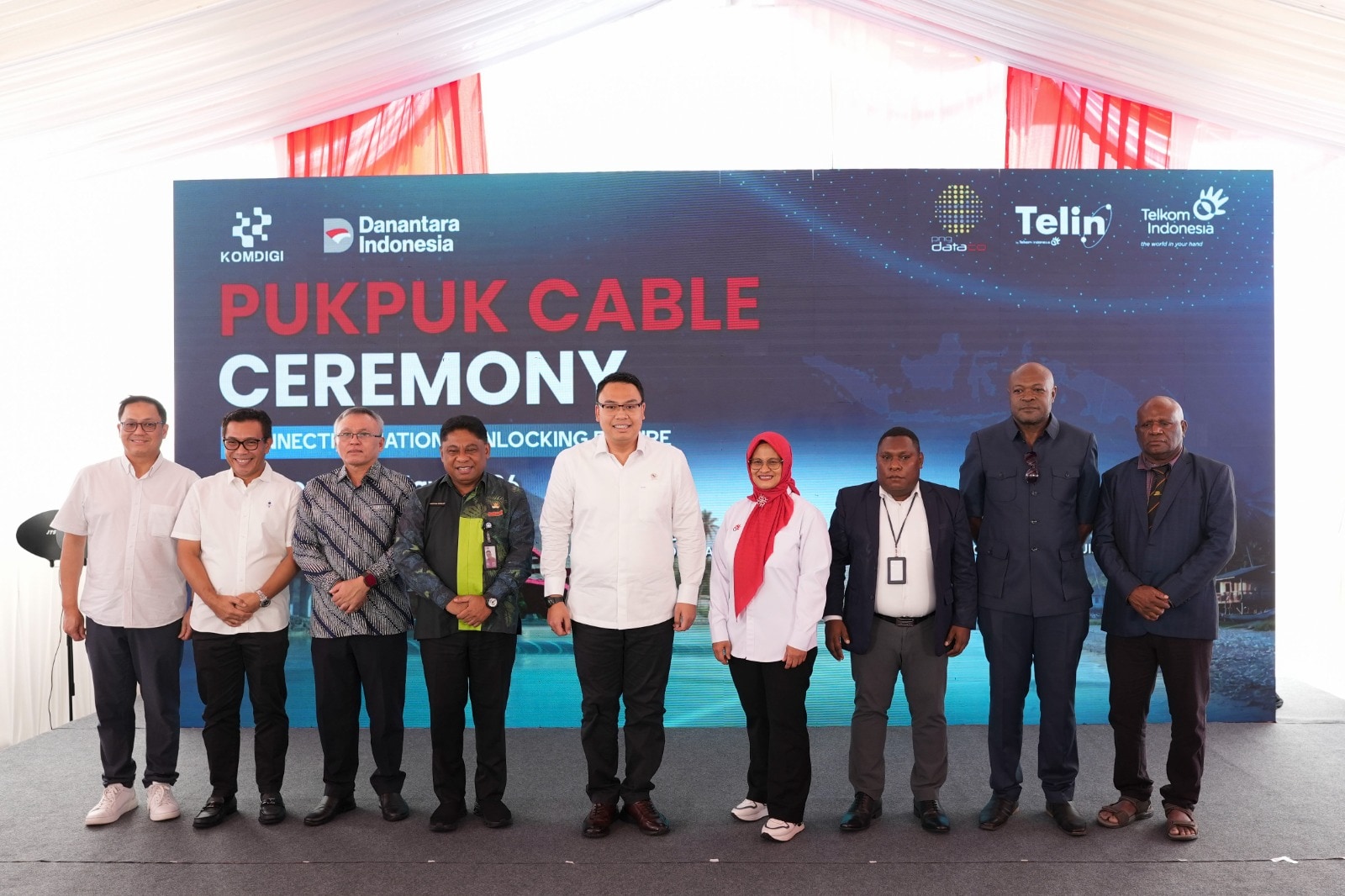
The launch of the Pukpuk Submarine Cable system connecting Indonesia and Papua New Guinea is more than a telecommunications milestone. It is part of a much larger strategic shift occurring across the Indo-Pacific digital environment.
Most public discussion will focus on internet speed, connectivity or technology.
But that is only the surface layer.
Submarine cable systems increasingly sit at the intersection of economics, geopolitics, cybersecurity and state sovereignty.
Data routes are becoming as strategically important as shipping lanes, ports and energy corridors.
And Papua New Guinea now occupies a more important position within that map.
The Pukpuk system creates a direct digital corridor between Indonesia and Papua New Guinea for the first time. It strengthens regional connectivity resilience while linking PNG more closely into wider Asia-Pacific data infrastructure systems.
This matters because the global digital economy is no longer driven only by software.
It is increasingly driven by infrastructure.
Countries that become trusted digital transit jurisdictions may eventually influence:
- cloud services;
- digital trade;
- artificial intelligence deployment;
- cybersecurity cooperation;
- data hosting;
- financial technology ecosystems; and
- regional digital governance.
PNG has historically been viewed as geographically remote.
Digitally, that assumption is beginning to change.
The Pacific itself is also changing.
The region is becoming strategically contested not only through defence and maritime influence, but through digital infrastructure, satellite systems, cybersecurity partnerships and undersea cable investment.
This is why the Pukpuk cable should not be viewed as an isolated telecommunications project.
It forms part of the emerging digital architecture of the Pacific.
That architecture now intersects with:
- cybercrime cooperation;
- critical infrastructure protection;
- data governance;
- digital identity systems;
- national security frameworks; and
- digital sovereignty considerations.
Legally and strategically, this changes the responsibilities of governments.
Digital infrastructure can no longer be regulated purely as commercial infrastructure.
It increasingly carries national security implications.
A major cable outage today can affect banking systems, hospitals, aviation, emergency communications, government systems and economic activity simultaneously.
That reality requires modern legal and regulatory thinking.
It requires states to develop:
- cybersecurity legislation;
- critical infrastructure protection frameworks;
- trusted digital identity systems;
- cross-border data governance arrangements;
- cyber incident response capability; and
- international cyber cooperation mechanisms.
Infrastructure without governance creates vulnerability.
Connectivity without resilience creates exposure.
This is where Papua New Guinea now faces an important national question. Will PNG merely consume digital infrastructure built by others, or will it strategically position itself within the regional digital economy?
That question matters because the next decade may reshape how value is created in the Pacific.
The countries that prepare early for trusted digital systems, resilient infrastructure and secure cross-border data environments may attract future investment, partnerships and innovation ecosystems.
The countries that delay may struggle to catch up.
The symbolism here is important. The ancient Lagatoi routes connected communities across the sea through trust, exchange and navigation.
Modern fibre optic systems now carry something different across those same waters:
data, finance, communication, commerce and state power.
The Pacific’s future will not only be shaped in parliaments, boardrooms or military bases.
Increasingly, it will also be shaped beneath the ocean floor.
And beneath those waters, Papua New Guinea is becoming more connected to the future than many people yet realize.